
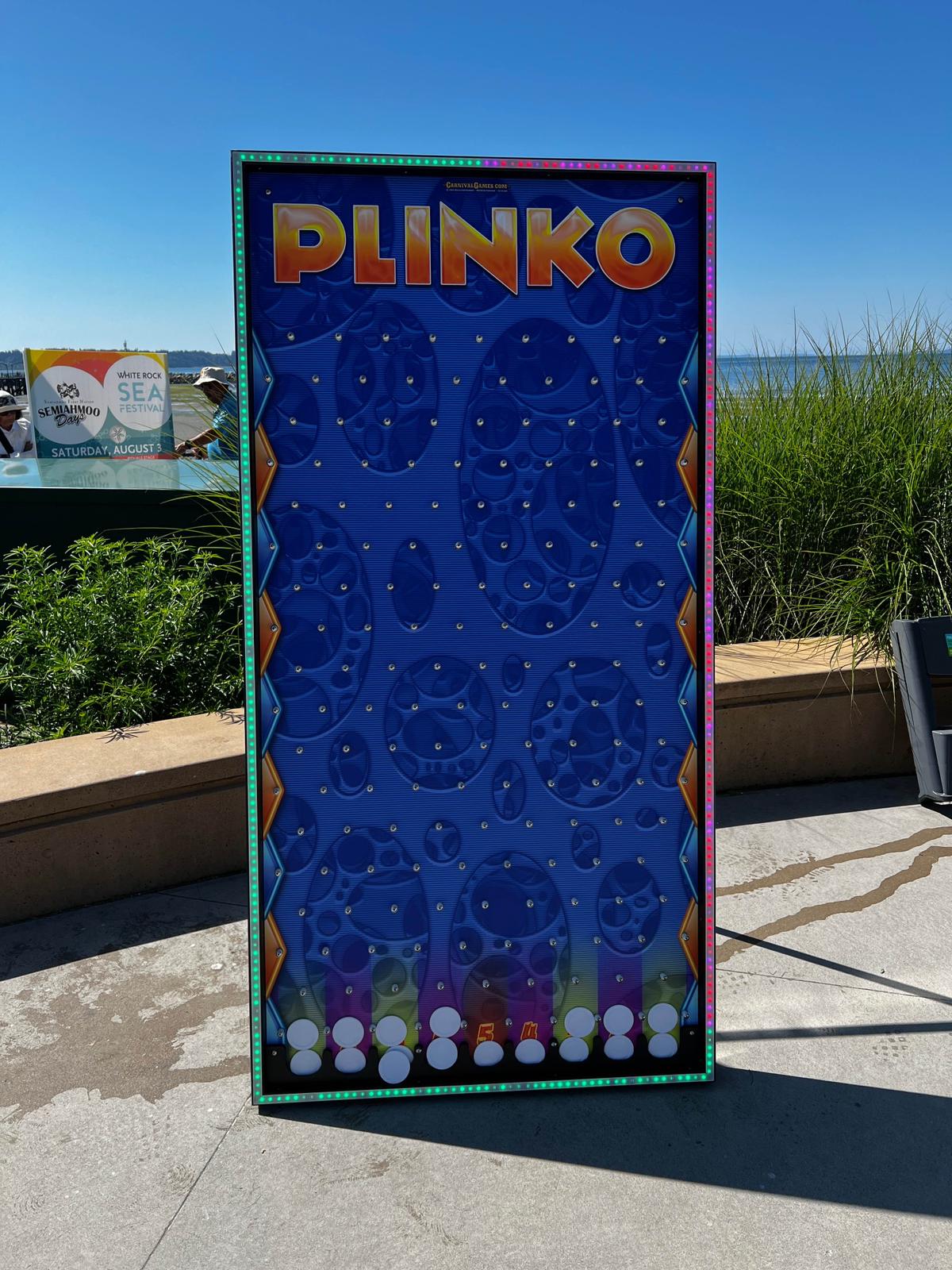
Exploring Plinko Board Size Tradeoffs for Optimal Gameplay
Plinko is not only a game of chance but also a fascinating study in board design and user engagement. As enthusiasts dive into the world of Plinko, one crucial element often overlooked is the board size. The dimensions of a Plinko board can significantly influence gameplay dynamics, strategies, and overall fun. In this article, we will delve into the tradeoffs associated with various Plinko board sizes, offering insights for both novice players and seasoned pros. For a deeper understanding of the game, you can visit Plinko Board Size Tradeoffs https://plinko-game.co.nz/.
The Basics of Plinko
At its core, Plinko is a straightforward game where players drop a disc down a vertical board, navigating a path through a series of pegs or obstacles that divert the disc’s trajectory. The objective is to land the disc in a scoring slot at the bottom that yields points, prizes, or both. The board is typically triangular in shape, with pegs arranged in staggered rows. Given its simple mechanics, Plinko appeals to a broad audience, making it a popular choice for carnival games and television shows alike.
Understanding Board Size
The size of a Plinko board can greatly impact the gameplay experience. Generally, the dimensions can vary widely—from small tabletop versions to large installations. A smaller board might measure just a few feet, while larger variants can be several feet tall and wide. This variation leads to distinct gameplay characteristics and player interactions.
Tradeoffs of Smaller Boards
Smaller Plinko boards have their own set of advantages and disadvantages. One key benefit is portability. Smaller boards are easier to transport, set up, and store, making them ideal for parties, gatherings, or small events. They often require less space, allowing for spontaneous gameplay without significant setup.
However, the downsides to smaller boards include less complexity and fewer potential scoring outcomes. With a reduced number of pegs, players may find that the game becomes predictable over time. The simplicity can lead to a lack of engaging strategy and reduced replayability.
Advantages of Larger Boards
Conversely, larger Plinko boards offer a more extensive gaming experience. The increased number of pegs and scoring slots can create a more unpredictable and engaging game. Players can have a better chance of experimenting with different strategies, as the wider range of possible outcomes adds depth to the gameplay.
However, with greater size comes the challenge of logistics. Larger Plinko boards can be cumbersome to transport and set up, requiring significant space. Additionally, they may demand a higher material cost for production, impacting the overall budget for hosts seeking to offer Plinko at an event.

Impact on Player Experience
The player experience is arguably the most critical aspect influenced by the board size. Smaller boards might appeal to casual players seeking quick fun, while larger boards tend to attract more dedicated enthusiasts looking for a challenge. The atmosphere at events can also vary based on board size—messages conveyed by oversized installations can draw in crowds and create a festive environment.
It’s essential to align the board size with the target audience and the event type. Understanding the demographics of players can greatly influence the decision on which size to choose. For instance, a family-friendly event may benefit from smaller boards that encourage participation from children, while an adult-oriented event might thrive on the excitement of larger boards and strategic gameplay.
Considerations for Board Design
Beyond just size, the overall design of the board is integral. Factors such as peg distribution, the angle of the board, and score slot placement can all influence the effectiveness of the board. For example, boards with closely spaced pegs might result in a more chaotic experience, while others with widely spaced pegs allow for a smoother descent of the disc, which could attract different types of players.
Choosing the right design necessitates a careful balance of aesthetics and functionality. A well-designed board can enhance the visual appeal, inviting players to engage while still providing an exciting gameplay experience.

Customizing for Events
When planning an event that involves Plinko, custom-sizing the board to fit the theme or specific audience can be advantageous. Events oriented toward schools may prefer smaller boards to cater to younger children, while corporate events could leverage larger boards that serve more players and offer enticing prizes.
Additionally, event organizers should consider the overall layout of the venue. Ensuring that there is enough space for players to stand comfortably and interact with the board is vital. A well-thought-out setup will create a more enjoyable atmosphere and keep players engaged.
Final Thoughts
In conclusion, the size of a Plinko board carries significant implications for gameplay experience, logistics, and player engagement. Smaller boards may excel in intimate settings, while larger boards can elevate the excitement for bigger gatherings. Ultimately, the choice of board size should be tailored to the specific context of the event, ensuring that it aligns with the goals of the organizer and the preferences of the players.
As Plinko continues to evolve, staying aware of these tradeoffs will help players, event planners, and designers create unforgettable experiences that keep everyone coming back for more. Whether you’re a casual player or a competitive enthusiast, the right Plinko board can dramatically enhance your enjoyment of this timeless game.