
The body’s endocannabinoid system (which regulates various physiological functions such as pain perception), inflammation, mood, and immune response, interacts with CBD. Cannabidiol, abbreviated as CBD, is a compound that occurs naturally in cannabis plants. THC is a multifaceted compound that exhibits psychoactive effects and holds potential therapeutic benefits. Significant variations exist in the potency of THC in these products; therefore, it is essential to follow recommended dosages and exercise caution to avoid any adverse reactions. Tetrahydrocannabinol (commonly known as THC), is naturally found in cannabis plants. This process includes recommending or prescribing cannabis products to relieve symptoms, manage health conditions, or enhance patients’ quality of life.
When consumed in low doses (THC can create a more relaxed), sociable, or entertaining atmosphere in social settings. The compounds derived from cannabis may assist in regulating physiological reactions without causing sedation or impairment, making them ideal for daytime use or long-term wellness practices. Nonetheless (high-potency cannabis products or extracts can lead to physical side effects such as dry mouth), dizziness, or difficulties with coordination. Higher doses may overwhelm some individuals, potentially resulting in feelings of anxiety, unease, or mental fog. Whether you’re evaluating the effects of CBD against THC (considering THC vs. CBD for chronic pain or focus), or exploring the combined use of both, this guide will clarify your queries. For most wellness purposes (CBD serves as an easily accessible), safe, and non-intoxicating option.
In the CBD vs THC anxiety comparison, CBD is the evidence-backed choice; THC should be used cautiously, if at all, for anxiety. Crucially, a 2025 JAMA review of over 2,500 cannabis studies found that medical cannabis (predominantly THC-containing) does not effectively treat anxiety, depression, or PTSD, and may worsen outcomes in some patients. At moderate to high doses — particularly in cannabis-naive individuals or those with anxiety predispositions — THC frequently worsens anxiety and can trigger panic attacks. Our guide on CBD oil for pain covers the evidence base, dosing approach, and most effective formats for CBD pain applications in detail.
Legal Status: NJ and Federal
These bidirectional interactions are fundamental for appropriate adaptive cellular responses, such as inflammatory processes, which play significant roles in pathological states. This evidence suggests that rodents may not be the right preclinical models for evaluating the effects of THC and CBD in complex memory tasks. Differently, Hayakawa and colleagues (2008) reported that the same and lower CBD doses , 10 and 50 mg/kg, in mice enhanced the impairment of spatial memory induced by THC (1 mg/kg) . Consistently, an open-lab study reported that CBD (up to 800 mg/day for 12 weeks) could reduce anxiety severity without serious adverse effects in young people (12–25 y) with treatment-resistant anxiety disorders. Moreover — persistent depersonalization and amotivational syndromes have been observed sometimes in cannabis users . For instance (a 25% prevalence of depressive disorders has been reported among chronic cannabis users 159,160), and the numbers are even more concerning in women and in early-onset cannabis users 161,162.
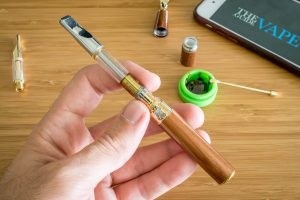
According to the WHO cannabis fact sheet — cannabis is the world’s most widely used psychoactive substance, with an estimated 209 million cannabis-inspired culinary culture in London users globally. THC’s direct CB1 activation is what produces euphoria (altered perception), increased appetite, and — at higher doses — anxiety and paranoia. THC is a controlled substance in most countries, though medical cannabis programmes and recreational legalisation are expanding globally.
If drug testing is a concern for you, opt for CBD isolate or broad-spectrum products from brands that provide third-party lab results confirming THC levels. Although both cannabinoids come from the cannabis plant, their effects on the brain differ fundamentally. CBD oil (gummies), or capsules for daily use. Depending on how often it is used, THC metabolites can be detectable in the system for several days to weeks. To thoroughly understand NJ cannabis laws, refer to our guide on NJ cannabis laws 2026.
That may fit daytime use, THC sensitivity, anxiety-prone users, or people who cannot risk feeling high. Start your journey now with access to expert guides like what is CBD and its benefits guide and detailed insights from the THC vs CBD guide to help you make informed choices. Understanding the differences between THC and CBD can feel overwhelming when you’re trying to choose the right cannabis products for your needs. Based on current literature and trends of increasing cannabis potency, we postulate that most medical cannabis products with THC and CBD have ratios capable of producing significant acute intoxication and are similar to recreational products. But (as we mentioned earlier in the article), high doses of THC can worsen these feelings in sensitive users.
Patients concerned about drug testing should choose CBD isolate or broad-spectrum products verified by third-party testing to contain no detectable THC. Medical marijuana cards remain the most reliable way for patients to access THC-containing products legally and safely, and telehealth platforms like LeafyRx have made this process faster and more affordable than ever before. Access to both compounds requires navigating a complex legal and regulatory landscape.
Nonetheless, further research is essential to understand the long-term effects of daily smoking. The FDA states that smoking CBD can lead to feelings of drowsiness — sleepiness, and irritation. Be cautious (as products marketed as THC-free may still contain traces of THC; therefore), if you are facing a drug test, it is advisable to steer clear of any CBD or THC products.